Notes on building for the web.
Plain-English guides for small business owners. Start with local search if you want more calls from Google.
Latest

-
Changing web designer or host without losing anything Moving to a new web designer or hosting company is safe if you gather the right logins first and do things in order. A checklist for email, rankings and the domain. -

What a small business should automate first How to pick the first job worth automating, a few good candidates, what to leave with a person, and why one process at a time works better than a big overhaul. -
What to do when your website goes down Your site won't load and the phone has gone quiet. The checks to run first, the usual causes in plain words, who to call, and how to stop it happening again. -
Using AI tools without putting customer data at risk What happens to what you type into an AI chat tool, what UK GDPR expects of you, and a few habits that keep customer details out of places they shouldn't be. -
Adding online booking to a small business website: what to look for Who online booking suits, the choice between a ready-made booking tool and one built into your site, and the features and catches to check before you switch it on. -
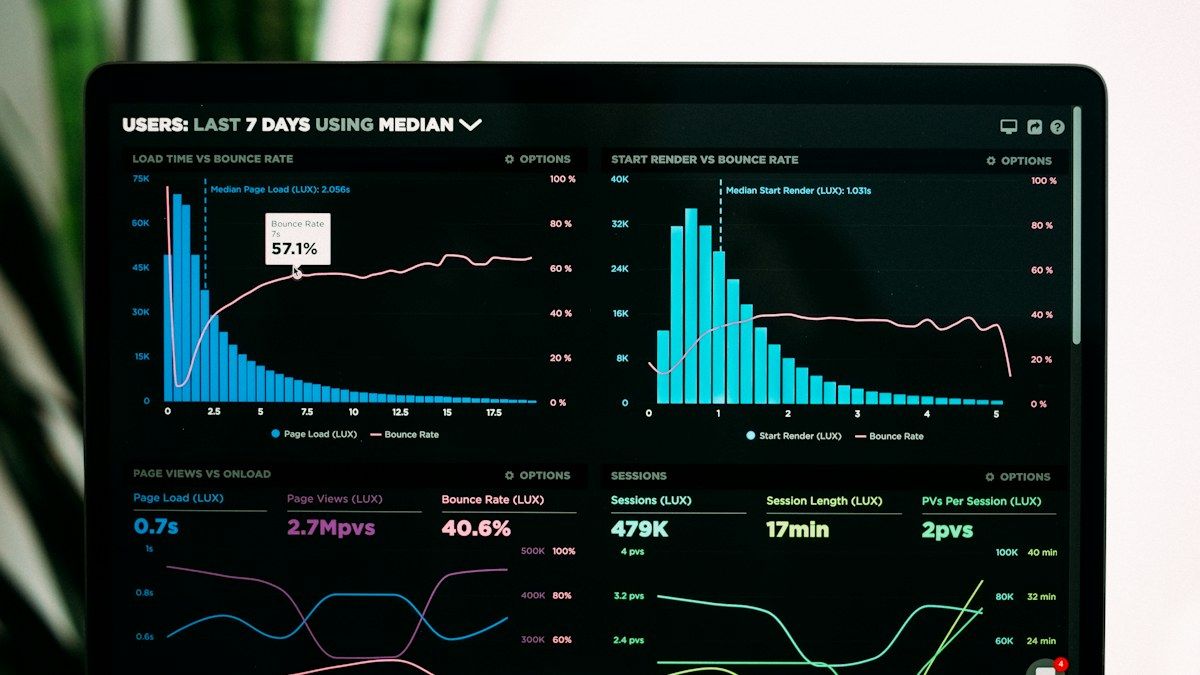
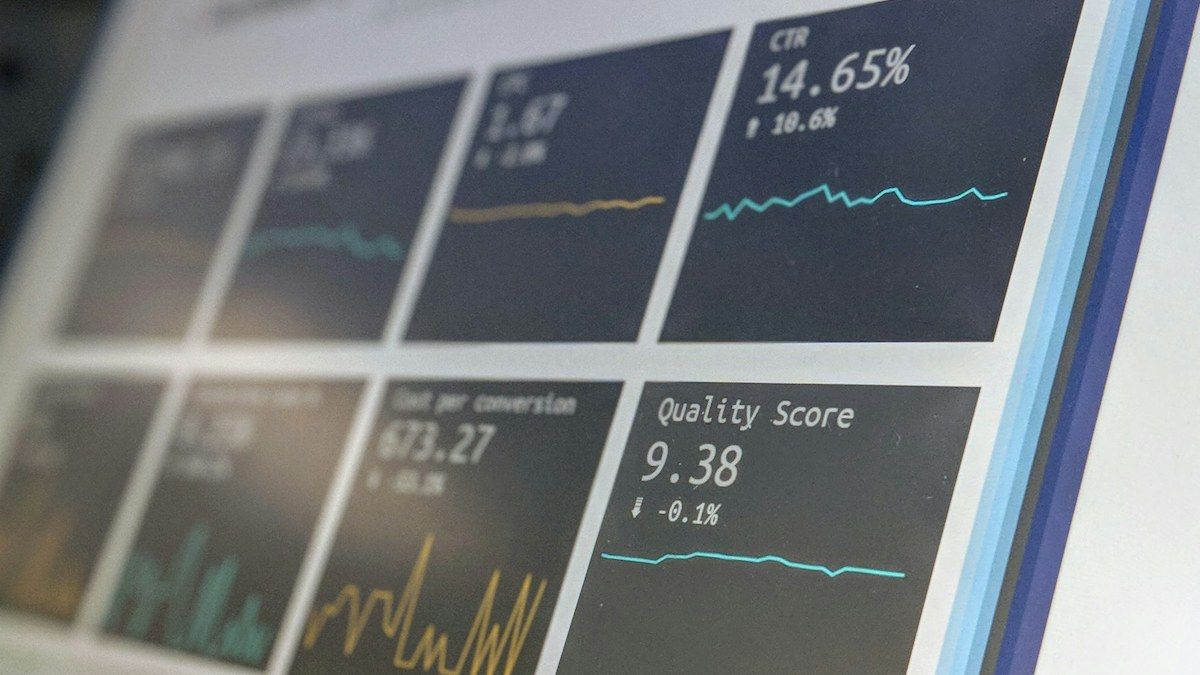
Website analytics for a small business: what to watch and what to ignore The handful of analytics numbers that tell you whether your website brings in work, the ones you can skip, and a 15-minute monthly check. -
Everyday AI for small business admin, and what to check first Admin jobs AI tools can take off your plate, from replying to enquiries to writing up a quote, and what to check before anything goes out. -
Google Search Console: a plain guide for small business owners What Google Search Console is, how to set it up through your domain, and the four reports worth ten minutes of your time each month. -
Using AI to write your website copy, and where it goes wrong AI tools can turn your notes into a decent first draft. Left alone, they write the same page as your competitors and make things up. How to use them, and what to check. -
Website and account security basics for a small business The handful of accounts that hold your business together, how to lock them down, and what to do first if you think someone has got in. -
AI search and your website: how to be the business it names Google's AI answers and tools like ChatGPT now reply to local questions directly. What they read about you, and what you can change so they name you. -
Website accessibility for small businesses: the checks you can do yourself Who an accessible website helps, what UK law expects of a small business, and seven checks you can run on your own site this afternoon. -
Cookies, privacy policies and contact forms: what a small business site needs Which UK rules cover your website's cookies, privacy policy and contact form, what a fair cookie banner looks like, and what changed in 2026. -
What to put on your homepage so people get in touch What a small business homepage needs so a visitor on a phone knows what you do, where you work and how to contact you, plus what to leave off. -
What a website care plan should cover (and when it isn't worth it) A plain checklist for judging any monthly website plan: hosting, updates, backups, small changes, support, and what's normally left out. -
Hiring a web designer in Norwich: what to ask before you sign The questions to put to any web designer before you hire them, from who owns the site afterwards to what it costs each month once it's live. -
How to get more Google reviews (without breaking the rules) A plain routine for getting a steady trickle of real Google reviews, replying to them, and staying clear of what Google and UK law now forbid. -
Google Business Profile: how to set it up so it brings in calls A step by step guide to claiming, verifying and keeping a Google Business Profile accurate, so the people who find you on Maps and Search pick up the phone. -
Local SEO in Norwich: how to get found on Google across Norfolk How a Norwich or Norfolk business turns up when people search for a trade plus a town, or tap 'near me'. What Google looks at, what to skip, and how long it takes. -
Google Workspace or Microsoft 365: which to put your business email on The two homes for a small business's email and files cost about the same and both work well. Here's how to choose between them without the brand loyalty, and why the setup matters more than the badge. -
Setting up users and access without locking yourself out Who gets an account, who can reach what, and what happens when someone leaves. The user side of a business setup is easy to get wrong and painful to untangle later. Here's how to do it once. -
What you need to start a business, from registering it to getting online Two sets of decisions people put off when starting out: how you register the business, and how it shows up online. A plain walk through sole trader versus limited company, and the domain, email and website that come next. -
How to set up a domain properly, and actually own it Your domain is the address your website and email both hang off. Here's how to register it, point it where it needs to go, and make sure it's yours rather than your web designer's. -
The unglamorous groundwork behind an app that scales An app that brings in more customers is only good news if the rest of your business can take the weight. Growth tends to break the boring parts first. Here's what to sort before it does. -
Shopify theme vs headless Shopify: what's the difference? Headless Shopify gets pitched as an upgrade every store should want. For most it isn't. What it means in plain terms, what it costs, and which stores it suits. -
When a mobile app is what lets you scale An app is the wrong tool for getting found, but there's a point in a growing business where it becomes the thing that lets you serve more customers without more effort. Here's how to spot it. -
Website redesign checklist for small businesses A redesign done carelessly can lose the search rankings and enquiries your old site spent years earning. Here's the full checklist: before, during, and after. -
Why your business email lands in spam, and how to fix it If mail from your own domain keeps disappearing into junk folders, the cause is usually three settings that were never configured. Here's what SPF, DKIM and DMARC do, in plain English. -
The digital setup every small business needs, and usually cobbles together The domain, the email, the analytics: the accounts your business quietly runs on. Here's what a proper setup involves, and why it's worth doing on purpose instead of in a panic. -
Why is my website slow? A plain-English guide for business owners How to find out what's slowing your site down, using free tools and no jargon, and how to tell a ten-minute fix from a rebuild. -
Bespoke website vs WordPress: which is right for your business? WordPress is the right call for some businesses. For others it's a maintenance bill wearing a friendly face. Here's how to tell which you are. -
What a small business website costs in the UK, and what drives the price The four ways UK small businesses get a website, what each one charges you for, the running costs that come after launch, and what makes a price go up or down. -
When a simple website needs to become a web app Most businesses start with a website and never need more. But some outgrow it. Here's how to tell when you've crossed the line from 'pages people read' to 'a tool people use'. -
Turning website visitors into booked work with an AI agent A contact form waits to be filled in. An AI agent has a conversation, answers the doubt that's holding someone back, qualifies them, and books the job, while they're still on the page. -
Own your website: why lock-in is the hidden cost Plenty of cheap sites aren't really yours. You rent them, and the day you want to leave you find out you can't take anything with you. Here's what ownership actually means, and why it matters. -
An AI support agent that answers your customers the moment they ask Most enquiries arrive when you're busy or asleep. A well-built AI support agent answers the easy ninety percent instantly and hands you the rest, without sounding like a robot. -
How much does a website cost, and why nobody gives you a straight number Website prices vary wildly for what sounds like the same thing. Here's what you're actually paying for, and how to tell value from padding. -
AI agents in plain English, and where they actually help Everyone's selling AI now, and most of it is noise. Here's what an AI agent really is, what it can genuinely do for a small business, and where it's still the wrong tool. -
Not having a website is the most expensive choice you'll make When someone hears about your business, the first thing they do is look you up. If there's nothing to find, you've lost them before you knew they existed. -
Why we build sites by hand instead of using a template Templates look like a shortcut. For most businesses they're slower, heavier, and harder to change than the thing they replaced. Here's how we work instead, and why. -
A slow site costs you customers, quietly Load time isn't a technical nicety. It's the gap between a visitor who stays and one who's already gone. Here's what slow really costs, and what makes sites slow in the first place. -
Your website shouldn't look like everyone else's Customers can tell when a site came out of a box, even if they can't say how. That flicker of familiarity quietly costs you trust, and trust is what you're really selling. -
Do you need a website or an app? Most businesses that ask for an app actually need a good website first. Here's a plain way to tell which one your situation calls for, without spending on the wrong thing.
Nothing matches that. Try a broader word, or pick another topic.